
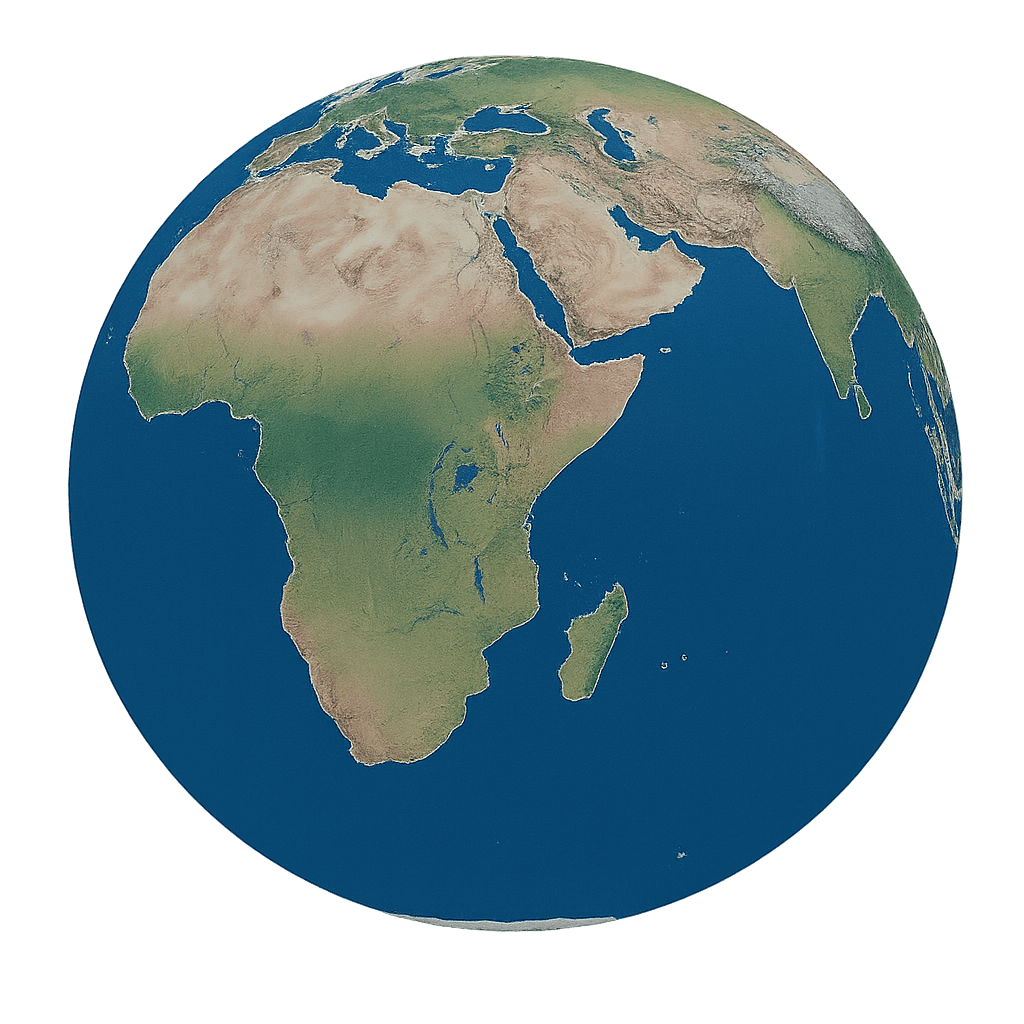
Middle East Health Fallout: The US and Iran traded their biggest barrage since July, raising fears of renewed escalation after US strikes hit Iran’s southern coast and Iran fired at US bases across the region. Civilian Harm & Care Needs: Iran’s health minister said 18 people were killed and 108 injured in the latest wave, including reports of a wedding attack in Sirik/Kuhestak that killed children and wounded dozens; Iranian officials also said hospitals in nearby Minab treated injured children. Cybersecurity Risk to Health Systems: Iran-linked cyber activity against US infrastructure is being framed by experts as an “asymmetric weapon,” with warnings that attacks could disrupt electricity and telecoms—key supports for hospitals and emergency services. Public Health Beyond Borders: Separately, Congo’s Ebola outbreak has surpassed 3,000 deaths, with weak surveillance and insecurity slowing early detection and treatment. Healthcare Policy Pressure (US): US political debate continues to tie the Iran war to domestic costs, including claims about rising health insurance and Medicaid cuts.
AGP Executive Report
Your go-to archive of top headlines, summarized for quick and easy reading.
Note: AI summary from news headlines; neutral sources weighted more to help reduce bias in the result. Feedback is welcome. Please let us know if you have any comments or suggestions about the AGP Executive Report.
US-Iran Escalation: The biggest exchange since July reignited hostilities, with U.S. strikes hitting Iran’s southern coast and Tehran firing back at U.S. bases across the region, including claims tied to a wedding attack in Sirik/Kuhestak that killed at least five and injured dozens; the renewed fighting is already pushing oil higher and adding pressure to global markets. Regional Spillover: Iran also reported drone and missile actions targeting Gulf neighbors after the U.S. renewed strikes, while Iran’s IRGC claimed it shot down a U.S. MQ-9 and said it is “tightening the lock” on the Strait of Hormuz. Local Impact in Iran: Iranian officials and medical teams reported casualties from the Sirik wedding strike, with injured people transferred for treatment and communications disrupted in the affected area. Security in Iraq’s Kurdistan: Iran launched drone strikes on KDPI positions near Erbil, with some drones intercepted and detonated in the air; no casualties were claimed. Health & Care Angle (Military): The USS Abraham Lincoln docked in Thailand after a record-length deployment, amid reports of deteriorating mental health and shortages of supplies for sailors. Women’s Health/Leadership (Non-Iran): India’s AVM Shakti Sharma made history as the first non-medical woman officer to reach Air Vice Marshal rank, highlighting education-branch leadership.
War & Trauma in Southern Iran: Iran’s Health Ministry says a US airstrike on a residential area in Kuhestak, Sirik County, Hormozgan killed four people (including a child) and injured 50+; Iran’s Red Crescent put the toll at two dead and 20 injured, with the attack reportedly targeting a wedding. Civilian Health Response: Officials dispatched 15 ambulances; some injured were treated locally while others were transferred to Minab Hospital for specialized care, as search-and-rescue continued and the death toll could rise. Regional Escalation: The IRGC says it is responding to US strikes along Iran’s southern coast, while Iran’s president Masoud Pezeshkian said Tehran is ready to return to the June ceasefire deal if the US reciprocates. Diplomacy & Shipping Safety: Iran says it is working with Oman on managing Strait of Hormuz shipping traffic, amid renewed exchanges of fire and threats that keep medical and humanitarian supply routes at risk. Public Health Lens: A separate global health item highlights the World Congress on Public Health in Cape Town (Sept 6–9) urging “health without borders,” with the Hormuz crisis cited as a driver of wider health and cost impacts.
Currency & Access to Care: Iran’s rial slid to about 2.1 million per US dollar as officials blamed renewed U.S. sanctions, while the central bank said it can inject up to $2 billion to stabilize foreign exchange and reported more than $18 billion already supplied since March 21 for imports including food and medicine. Regional Health Risks from Conflict: Iran’s president Masoud Pezeshkian criticized the UN Security Council for failing to address attacks on civilians and “educational and medical facilities,” arguing diplomacy still matters but illegal sanctions and aggression keep escalating. Healthcare System Strain Signals: A separate report on the USS Abraham Lincoln’s stop in Pattaya highlights long deployments and mental health concerns among sailors, with local rules restricting certain activities—an indirect reminder of how conflict logistics can spill into wellbeing and care needs. Public Health & Climate Link: A study reported air conditioning saved tens of thousands of lives in the U.S. over the last decade, but cooling’s climate impact is rising—especially as energy crunches tied to the Iran war worsen the trade-off between health and emissions. Disaster Response Pressure: Nepal-China floods have killed over 1,000 and left thousands missing, with rescue teams struggling to reach remote areas—raising urgent needs for medical support and continuity of care.

US-Iran Escalation & Markets: Fresh US-Iran strikes pushed oil higher and weighed on stocks as investors tracked renewed geopolitical risk and rate-hike chatter from Fed chair Kevin Warsh. SCO Diplomacy: PM Modi met Iran President Masoud Pezeshkian on SCO sidelines in Bishkek, stressing dialogue, freedom of navigation, and maritime safety for civilians and seafarers. Drug Pricing Push: Trump urged Congress to codify “most favored nation” drug pricing deals after more manufacturers joined, aiming to lock in lower prices for consumers. Telehealth Expansion: Hims & Hers launched in Australia, rebranding its Pilot/Eucalyptus men’s health service to expand access via telehealth—especially for regional and rural patients. Public Health & Misinformation: A measles outbreak in Pennsylvania is being blamed on low vaccination uptake, while critics say RFK Jr. is spreading harmful misinformation. Healthcare in Conflict Zones: Reports highlight ongoing pressure on hospitals and civilians amid Gaza and wider regional fighting, underscoring how quickly care systems get overwhelmed.
Health & Nutrition (Iran-facing wellness angle): Bollywood actress Mira Kapoor says a simple “dal ka soup” shared by Smriti Irani helped her improve anaemia after three months, with a reminder to consult a clinician before trying home remedies. Regional Health & Trade (SCO diplomacy): On the sidelines of the SCO summit in Bishkek, India’s PM Modi met Iran’s President Masoud Pezeshkian for talks on strengthening ties across trade and sectors including pharma, science and technology—an indirect signal for future health supply and cooperation. Healthcare Costs Watch (global, but relevant to Iran’s policy debate): Spain’s health insurance premiums rose 67.6% since 2020, driven by public system delays and longer waiting lists pushing patients toward private care. Medical Systems & Access (mental health policy): Nigeria reaffirmed commitments to expand mental health services and move away from punitive suicide laws, aligning attempted suicide with public health and mental health care. War & Health Risks (Hormuz tensions): Reports say US forces struck Iranian rocket launchers near the Strait of Hormuz, with Iran vowing retaliation—raising concerns for regional stability that can quickly spill into healthcare access and supply.
Afghanistan Health Crisis: UN says funding cuts have forced closure of 100+ clinics treating malnourished children, with 3.7 million children now acutely malnourished and severe cases rising as treatment sites shut. Iran Regional Health & Stability Context: Iran’s supreme leader Mojtaba Khamenei urged Muslim unity against the US and Israel, framing the conflict as a threat to the wider Islamic world—amid ongoing regional flare-ups that also disrupt humanitarian conditions. Iran War’s Ripple Effects on Care: Reports tied to the six-month US-Iran conflict highlight how war-driven pressure is straining access to services and worsening health risks across affected regions. Public Health Safety Lesson: A case report describes a 41-year-old man in Iran who poured superglue into his urethra for urinary incontinence and ended up needing surgery after complete urinary blockage—an extreme reminder to seek medical care instead of DIY fixes. Healthcare Policy Debate (US): US lawmakers and advocates continue pushing for sanctions and healthcare-related political messaging, with cost-of-living and healthcare affordability repeatedly linked to the broader Iran war fallout.
Iran Health & Economy: Iran’s supreme leader Mojtaba Khamenei urged officials to stop publicly airing weaknesses and focus on “resistance economy” actions, as economic pressure and a worsening petrol situation trigger long queues and fresh worries about unrest. Regional Health Security: In another message, he called Gulf rulers to unite against the “real enemy” of the US and Israel, warning that division only helps adversaries—an angle that matters for public stability and health planning. Women’s Health Research (Iran): An Isfahan University of Medical Sciences study linked a phytochemical-rich diet (fruits, leafy greens, legumes, nuts, whole grains, olive oil, tea) to 27% lower odds of diminished ovarian reserve in reproductive-age women. Care & Dignity in Hospitals: A new review highlights how dignity and privacy needs in anesthesia nursing are often under-measured, pushing for more patient-centered perioperative care. Disaster Impact on Health: Nepal issued new flood warnings as rescue efforts face disruption after deadly glacial flooding killed hundreds and left thousands missing, raising urgent risks for trauma care and access to services.
US Sanctions Push: The Trump administration’s “economic D-Day” plan expands secondary sanctions and targets Iran’s key lifelines like digital assets, technology, gold, aviation and shipping—sparking warnings that the measures hit ordinary Iranians hardest. Iran War Governance: Iran’s leadership is tightening around hard-line military generals and clerics, with threats to halt oil exports and a tougher stance toward dissent as the conflict enters its six-month mark. Strait of Hormuz Tensions: Iran and Oman talks continue amid claims and counterclaims over whether the Strait of Hormuz is open, with Iran warning military ships could be barred and urging countries not to enforce unilateral US sanctions. Health & Safety in Focus: A case report from Iran describes a man using superglue to treat incontinence, leading to a severe emergency requiring removal of a rod-shaped blockage from the urethra. Infectious Disease Research: Iranian researchers report Pistacia atlantica leaf extract kills Giardia lamblia cysts in lab tests, performing comparably to metronidazole—an early step toward alternative treatments. Extreme Heat Watch: A new ranking lists Iran among the world’s hottest countries in 2026, with temperatures near 53.7°C, raising public health concerns.
Social Security & Cost of Living: A new report says the 2027 COLA could rise faster under Trump-linked inflation dynamics, but may also accelerate benefit cuts—an issue that matters for retirees’ healthcare affordability. Iran War & Health System Strain: As the U.S.-Israel conflict with Iran hits six months, coverage highlights a shift toward economic pressure and growing uncertainty for families and care access tied to the war’s knock-on effects. Cybersecurity for Hospitals: A Boston Scientific cyberattack is reported to have disrupted the cardiac device supply chain, raising concerns about hospital readiness and patient care continuity. Mental Health in Care Settings: A new Medical Wellness and Education Center in Ohio opens with a school-based clinic plus adult mental health counseling, aiming to address rising behavioral health needs for students and families. Vaccine Confidence: A Philippines health probe is underway after reported child deaths following a measles-rubella immunization rollout, underscoring the stakes of vaccine trust. Disaster Response: Nepal flood searches continue for thousands missing, with families waiting for updates as rescue operations face weather delays.
Iran Sanctions Backlash: Iran denounced new U.S. economic sanctions as “state terrorism,” warning they endanger the health and livelihoods of civilians while urging other countries to refuse to implement them. Strait of Hormuz Pressure: Negotiators are pushing to reopen the Strait of Hormuz, a major oil route, as the standoff remains the biggest obstacle to talks. Supreme Leader Rift Signals: Iran’s supreme leader Mojtaba Khamenei ordered officials to stop publicizing problems and instead highlight “power and strength,” citing concerns about “social cohesion.” Financial Squeeze on Iran: The U.S. moved to restrict Banque Misr’s UAE correspondent banking access under “Operation Economic Outcast,” aiming to cut Iran’s remaining pathways to dollars. Healthcare & Food Cost Spillover: In India’s Odisha, college canteens and hostels were told to reduce high-oil breakfast items to cope with supply and fuel pressures tied to the wider crisis. Gaza Famine Debate: A famine expert remained largely silent as UNICEF data suggested malnutrition in Gaza is lower than earlier catastrophic claims. Rural Care Politics: In Virginia, candidates highlighted rural health funding and Medicaid pressures, with new federal support tied to keeping access open.
Sanctions & Public Health: Iran’s Foreign Ministry urged all countries to stop enforcing new U.S. sanctions, calling them “state terrorism” that threatens the health and livelihoods of civilians. Healthcare Supply Chain: Boston Scientific said a cyberattack has disrupted shipment processes, raising concerns about medical device availability for hospitals. War’s Health Ripple Effects: Save the Children warned volatile oil prices tied to the Iran war are inflating logistics costs, putting lifesaving aid for nearly 1.5 million children at risk. Leadership Transparency: Reports say Iran’s supreme leader Mojtaba Khamenei remains unseen and unheard for months, fueling uncertainty amid a war that’s worsening the economy. Strait of Hormuz & Costs: The U.S. claims Hormuz is cleared of mines and “pipelines will make the strait irrelevant,” but energy experts disagree—meaning continued pressure on fuel and consumer prices. Mental Health in Uniform: A USS Abraham Lincoln sailor facing disciplinary charges after a reported suicide attempt highlights gaps in support and follow-up care for service members. Cybersecurity for Water Systems: Coverage notes Iran-linked cyber activity targeting critical infrastructure, including water systems, underscoring risks to everyday health services.
Cancer Care Security: The U.S. removed a highly radioactive cobalt-60 source used in cancer treatment from Guatemala, moving it to secure storage after “dirty bomb” theft concerns. Cybersecurity & Hospitals: Boston Scientific says a cyberattack disrupted shipment processes and global operations, raising supply-chain worries for cardiac device availability in hospitals. Mental Health in Care Systems: Reports say sailors on USS Abraham Lincoln faced extreme strain, and one sailor who jumped overboard is now facing disciplinary action tied to “malingering,” spotlighting gaps in mental health support. Regional Health & Access: Iran war fallout is leaving people struggling to get care after surviving drone attacks, while sanctions pressure is linked to rising costs and delayed treatment. Strait of Hormuz Diplomacy: Qatar and Iran held talks on managing Hormuz security and navigation as oil prices react to de-escalation hopes. Public Health Risk From Infrastructure: A White House order bans foreign-made power equipment over cyber backdoor fears, following attacks on water systems. Local Health Costs: Alberta’s budget update cites higher health-care costs amid Middle East-driven energy price swings.
MedTech Cybersecurity: Boston Scientific says a cyberattack detected Aug. 25 caused a network outage and disrupted its ability to process and ship customer orders, with restoration ongoing and no full timeline yet. Sanctions & Health Costs: Iran’s foreign minister Abbas Araghchi tells the UN Security Council the US “Operation Economic Expulsion” is “economic terrorism,” warning it threatens sovereignty via secondary sanctions; Iran also argues the US must provide full compensation for damages from unilateral sanctions—an issue that directly feeds into medicine and food affordability pressures. Hormuz & Access Risks: Iran’s IRGC says the Strait of Hormuz won’t open unless the US accepts Iran’s conditions, keeping regional shipping uncertainty high—an indirect but real driver of supply and healthcare costs. Public Health & Access in Conflict: A humanitarian diplomacy piece stresses that in war zones, aid often fails not for lack of supplies but because access is blocked, making negotiation and corridors central to getting food and medicine to civilians. Disaster Health Link: Nepal and Tibet face catastrophic floods after a glacier collapse, with hundreds dead and over 1,300 missing, raising urgent needs for emergency care and evacuation.
Strait of Hormuz Talks: Iran and Oman say they’re still finalizing a deal to manage Strait of Hormuz traffic, with Iran warning military vessels may be barred if the agreement becomes binding—while the waterway remains largely shut nearly six months into the Iran war. Sanctions Fallout: Iran’s foreign ministry urged the UN to reject the US “economic terrorism” campaign and said Washington must provide full compensation for damages caused by unilateral sanctions. Healthcare & Cybersecurity: Medical device maker Boston Scientific reported a cybersecurity incident that disrupted access to systems and shipping of customer orders, with restoration timelines unclear. Child Health Online: Meta agreed to pay up to $18B and add child-safety measures after a settlement over claims Instagram and Facebook were designed to addict minors. Public Health Tragedy: Iran sent condolences to Pakistan after a hospital fire in Islamabad killed at least 14 newborns in the maternity ward ICU. Inflation Pressure: US inflation rose 3.7% annually through July, keeping markets cautious ahead of Nvidia earnings and raising rate-hike expectations.
Rial Crisis & Everyday Costs: Iran’s rial slid past 2 million per dollar on the free market after new US sanctions, with Al Jazeera tracking steep street-price jumps for basics—tomatoes, chicken, cooking oil—and major spikes for insulin (+642%), paracetamol (+93%), and baby formula (+95%). Sanctions Pressure on Health & Supply: Washington’s “Operation Economic Outcast” targets Iran’s financial lifelines and threatens secondary penalties for countries and firms trading with Tehran, raising fears of knock-on effects for medicines and other essentials. Fuel Shortages in Tehran: Reports of longer gas lines and talk of cutting heavy fuel subsidies point to mounting pressure on household budgets and access to transport. Strait of Hormuz Talks: Iran and Oman discussed a phased plan for temporary shipping corridors and mine-clearing, easing oil-market nerves as Brent fell below $90—good news for inflation-sensitive health costs, but the corridor remains fragile. Health-Related Human Impact: US officials warned at the UN that Strait disruptions could worsen global food insecurity, potentially pushing tens of millions toward acute hunger.
Iran Sanctions & “Economic D-Day”: The US launched “Operation Economic Outcast,” targeting Iran’s military, cyber networks, and oil/shipping lifelines, while Iran vowed retaliation and said the pressure campaign will fail. Strait of Hormuz Health & Food Risks: The Red Cross warned that disruptions around Hormuz could keep driving inflation and hit essentials like fuel and fertilizer into 2027, with knock-on effects for food and healthcare access. Cyber Threats to Care: US Treasury sanctions Iranian-linked hackers tied to breaches of critical infrastructure, including healthcare institutions, raising concerns about patient data and service continuity. Military Strain With Iran War: US senators demanded a hearing over worsening conditions aboard the USS Abraham Lincoln amid reports of mental health crises, as the carrier heads to Thailand for rest and recreation. Market Mood in Europe: European shares rose as investors took comfort from a softer-than-feared sanctions package and lower oil prices, with healthcare stocks among the gainers. Cost-of-Living Pressure: US reporting highlights how Iran-war-linked energy shocks and tariffs are pushing up grocery and fuel costs, squeezing household budgets.
Sanctions & Economy: US Treasury Secretary Scott Bessent unveiled “Operation Economic Outcast,” warning firms worldwide to cut financial ties with Iran or face retaliation, with secondary sanctions expanding into shipping, gold, aviation, technology and digital assets—while Iran’s rial hit a record low. Healthcare Under Pressure: Reports highlight Iran’s medicine crisis and rising costs, with families delaying care as sanctions bite. Prisoners’ Health: Human rights groups say two women political prisoners in Iran face deteriorating conditions, including hunger strikes and denied medical access. Missing People: A Kurdish woman, Sara Rashidi, has been missing for over seven months after detention by IRGC-linked forces, with no public information on her whereabouts or health. Care Access & Safety: Separate coverage notes Iran’s broader healthcare strain, including shortages and the impact of conflict-linked disruptions. Global Ripple Effects: UN-linked reporting warns the Iran war is pushing millions of children toward poverty and school dropout as fuel and education costs rise. Market Mood (Indirect): Indian markets saw healthcare and pharma stocks lead gains as oil prices eased slightly amid expectations around sanctions.
Iran Sanctions & Health Access: Iran’s court ruled that proceeds from a seized U.S. oil cargo must compensate 771 patients with epidermolysis bullosa (EB), paying $10,000 each via an Iranian patient group after sanctions blocked access to essential medicines. US “Economic D-Day” Campaign: U.S. Treasury Secretary Scott Bessent unveiled “Operation Economic Outcast,” expanding secondary sanctions and targeting Iran’s digital assets, technology, gold, aviation and shipping, plus nearly 60 individuals and entities tied to oil revenue, weapons procurement and cyber operations. Cybersecurity & Critical Infrastructure: The U.S. sanctioned Iranian-linked cyber actors tied to attacks on critical infrastructure, following reports of a UK power plant disruption; the focus is on MOIS-linked hacking and data theft. Regional Pressure Around Hormuz: Saudi Arabia and France urged a negotiated solution to prevent escalation as Hormuz navigation concerns persist, while the U.S. pushes partners to cut ties with Tehran. Care Costs Under Strain: Separate coverage highlights how spiraling health costs and sanctions are forcing Iranians to delay care, underscoring the real-world impact on patients.
Iran Health Crisis: A new report highlights how spiraling costs and shortages are forcing Iranians to delay care, while a separate case shows a 70-year-old breast cancer patient facing chemotherapy prices around 100 million tomans—about six times the minimum monthly wage—pushing families to postpone treatment. Medicine Affordability: Iran’s medicine crisis is worsening as prices for dozens of drugs reportedly jump sharply, with patients priced out of ongoing care. Sanctions Impact on Care: Iran says it sold a seized U.S. oil cargo to compensate 771 patients with epidermolysis bullosa (EB), citing restricted access to specialized dressings and medicines under sanctions. Public Health & Safety: At least 29 people were injured after a bus overturned on an intercity road in northeastern Iran, with emergency teams dispatched. Sports & Health Access: Gilas Pilipinas will play crucial FIBA World Cup qualifiers against Jordan and Iran without Justin Brownlee, who is not healthy enough to contribute—an example of how health status can directly affect participation.
Sign up for:
Healthcare Journal Iran
The daily local news briefing you can trust. Every day. Subscribe now.
Check Your Email!
We sent a one-time activation link to: .
Confirm it's you by clicking the email link.
If the email is not in your inbox, check spam or try again.
Welcome back!
is already signed up. Check your inbox for updates.