AGP Executive Report
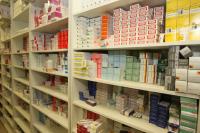
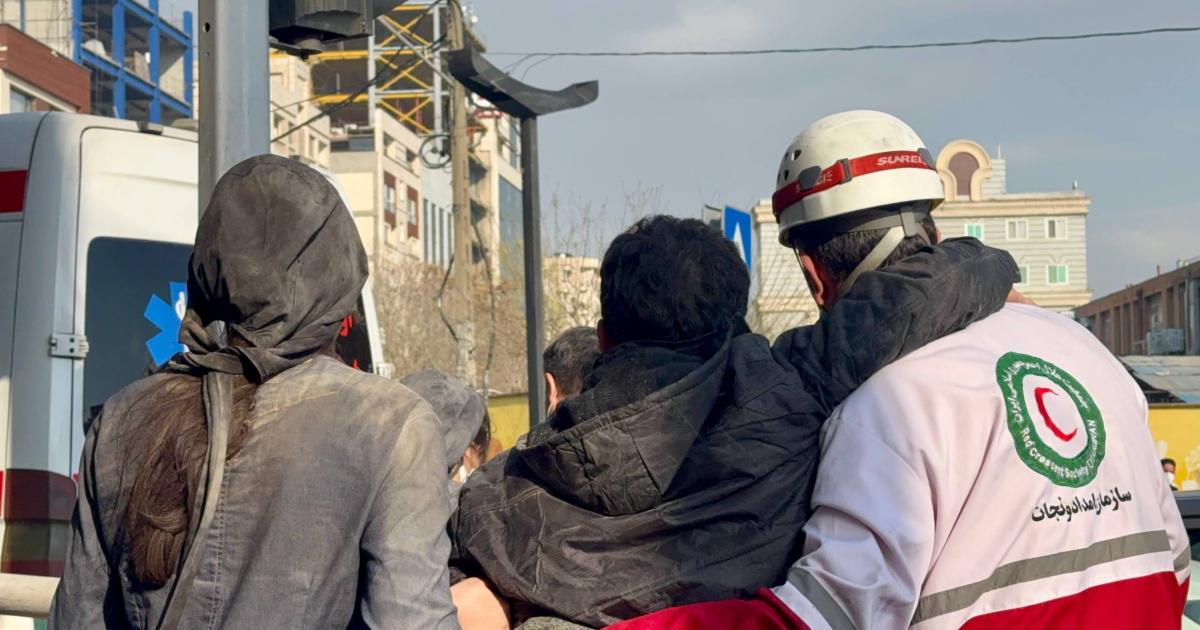
Last update: 6 hours agoMedicine Access: India and Singapore reportedly denied air permits for medicine transport to Iran, adding to concerns over the supply of essential drugs. Hospital Strain: Reports describe worsening medical care amid Iran’s economic crisis, with soaring treatment costs and staff shortages at hospitals; one Tehran hospital reportedly locked its main building and treated patients outside. Unequal Care: Reports highlight a widening dental divide, with luxury implants beyond reach for many, and a period-poverty crisis driven by shortages and high prices. An imprisoned Iranian physician has also reportedly been denied medical care and family visits.
Note: AI summary from news headlines; neutral sources weighted more to help reduce bias in the result. Feedback is welcome. Please let us know if you have any comments or suggestions about the AGP Executive Report.
 Perspectify News